Lead Paint Removal in Plano

Plano Lead Paint Removal plans lead paint removal and testing in Plano for houses that are about to be opened up: a 1970s kitchen coming out, original windows being swapped, a wall taken down to join two rooms. Before any of that, we find out whether the paint in the way contains lead, then set up the remodel so it does not spread dust through the house. For the handful of Plano homes from the early 1900s, we plan full removal.

The 1978 cutoff decides a great deal here. About 18% of Plano homes were built before 1980, and the bulk of those went up in the 1970s, when the city grew from 17,872 people to 72,331. A house finished in 1978 or later falls outside the federal lead rules for renovation and for sales and leases. In Texas, remodeling in an older home is regulated by the EPA, while lead testing and abatement require certification from the Department of State Health Services (DSHS).

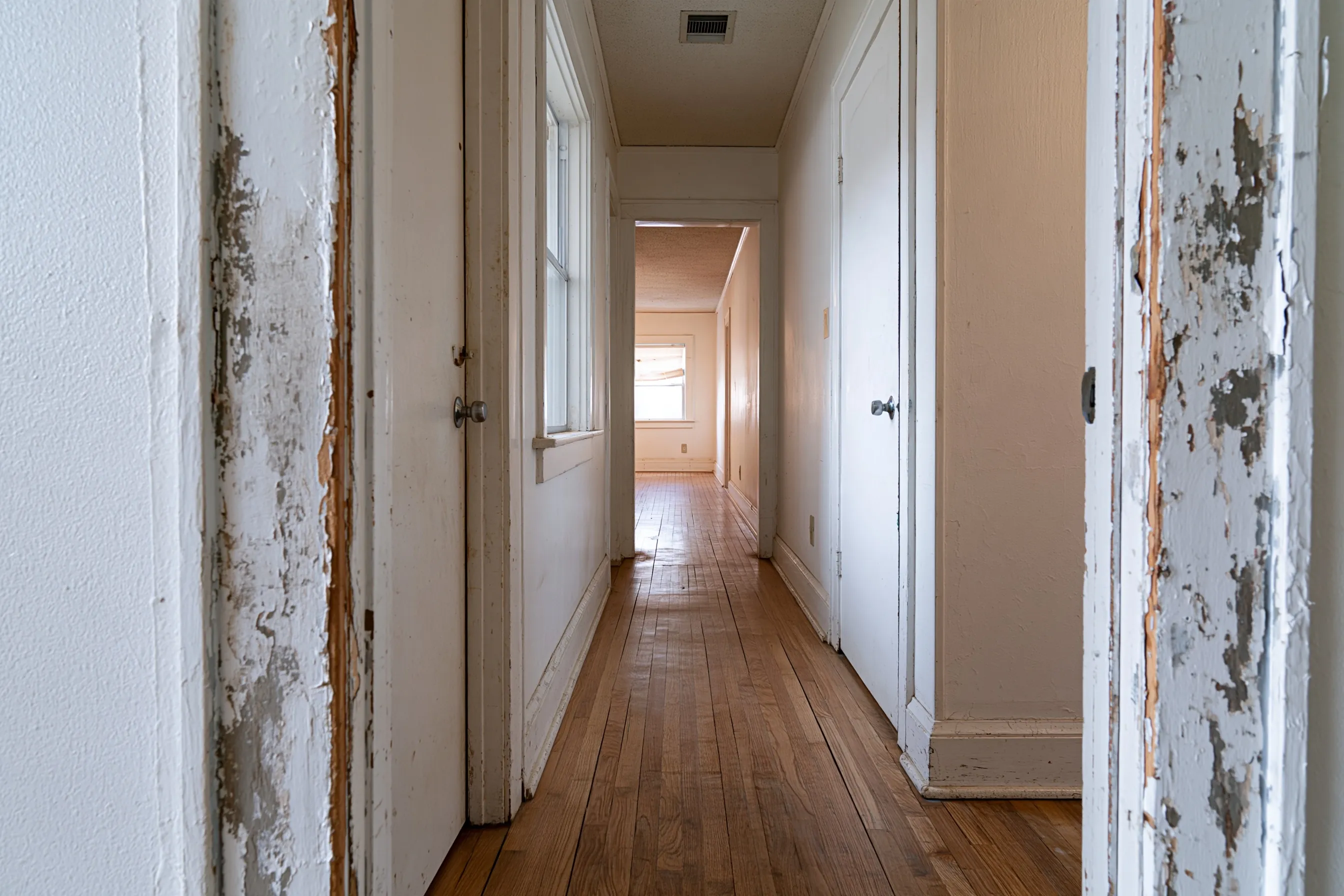
House interior with painted wood door frames, baseboards and window trim showing worn paint
Lead paint testing before remodelingRemodeling a house with lead paintLead-safe window and door replacementLead paint removal for heritage homesLead paint encapsulation

Lead paint services

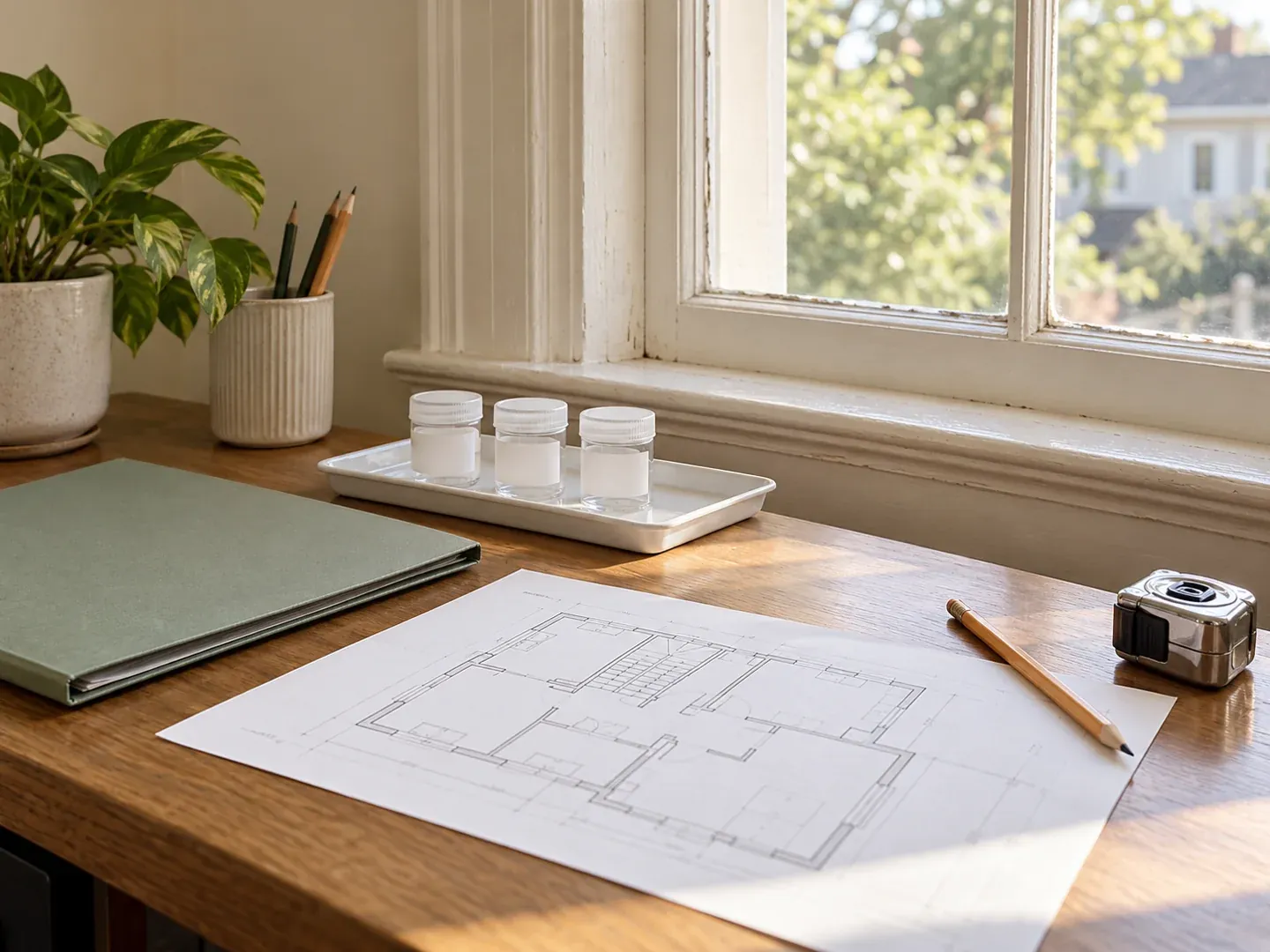
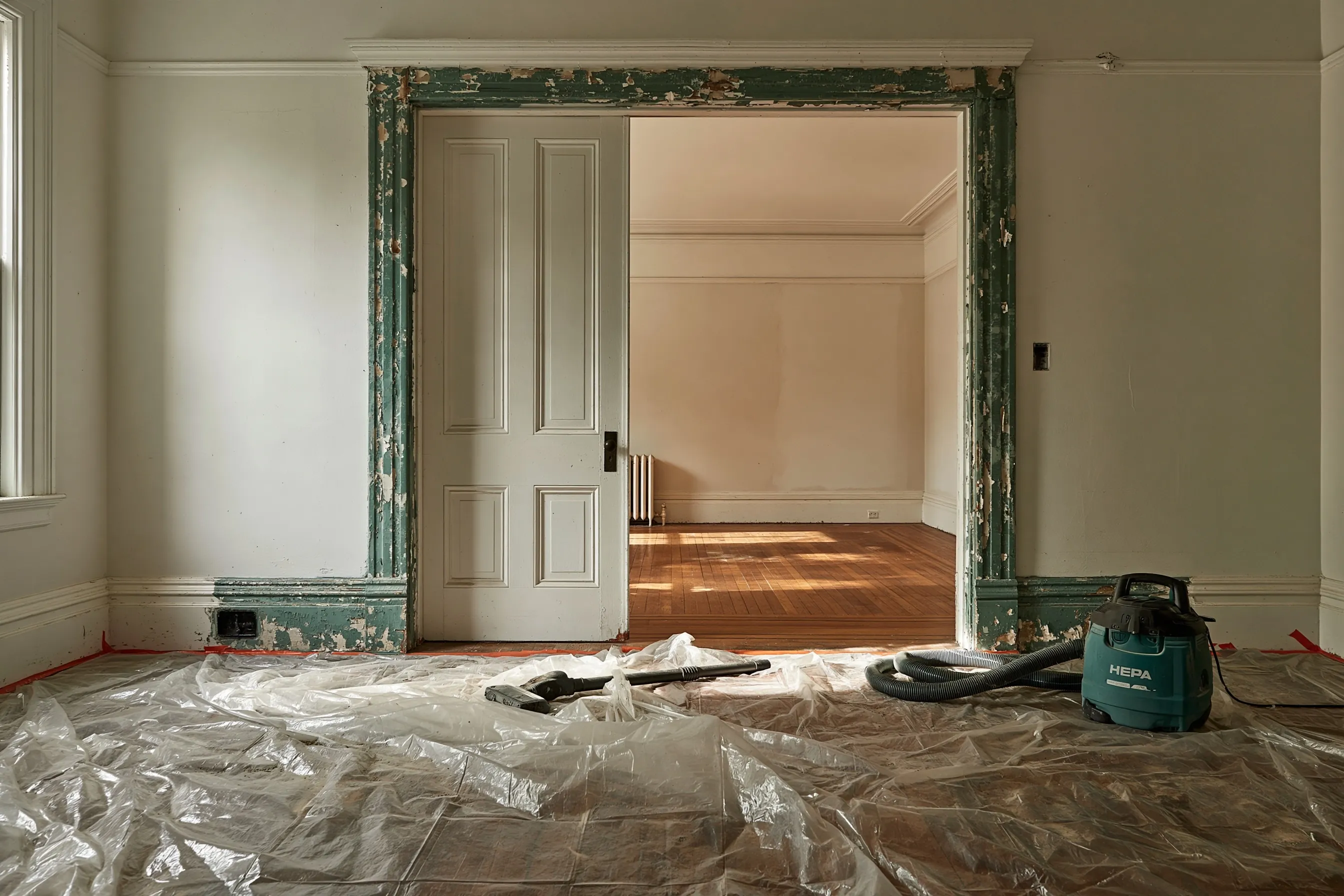
Floor plan, sample containers and a tape measure on a desk beside a painted windowInterior door frame and baseboard with layered old paint, room prepared with plastic sheeting

Lead paint testing before remodeling

A remodel only disturbs certain surfaces, so those are the ones to test: the cabinets coming out, the trim around a doorway being widened, the drywall a new duct will pass through. If a certified inspector or a certified renovator documents them as free of lead-based paint, the federal renovation rule no longer applies to that work. If not, the job goes ahead as though lead is present.

Remodeling a house with lead paint

When a contractor is paid to disturb paint in a house built before 1978, the EPA Renovation, Repair and Painting (RRP) rule sets the terms. The firm doing the work must hold EPA certification, and a certified renovator directs the crew. Plastic sheeting keeps dust in the work area, and the renovator verifies the cleanup at the end. Kitchens, baths, open-plan walls and additions cut into an old exterior wall all qualify.

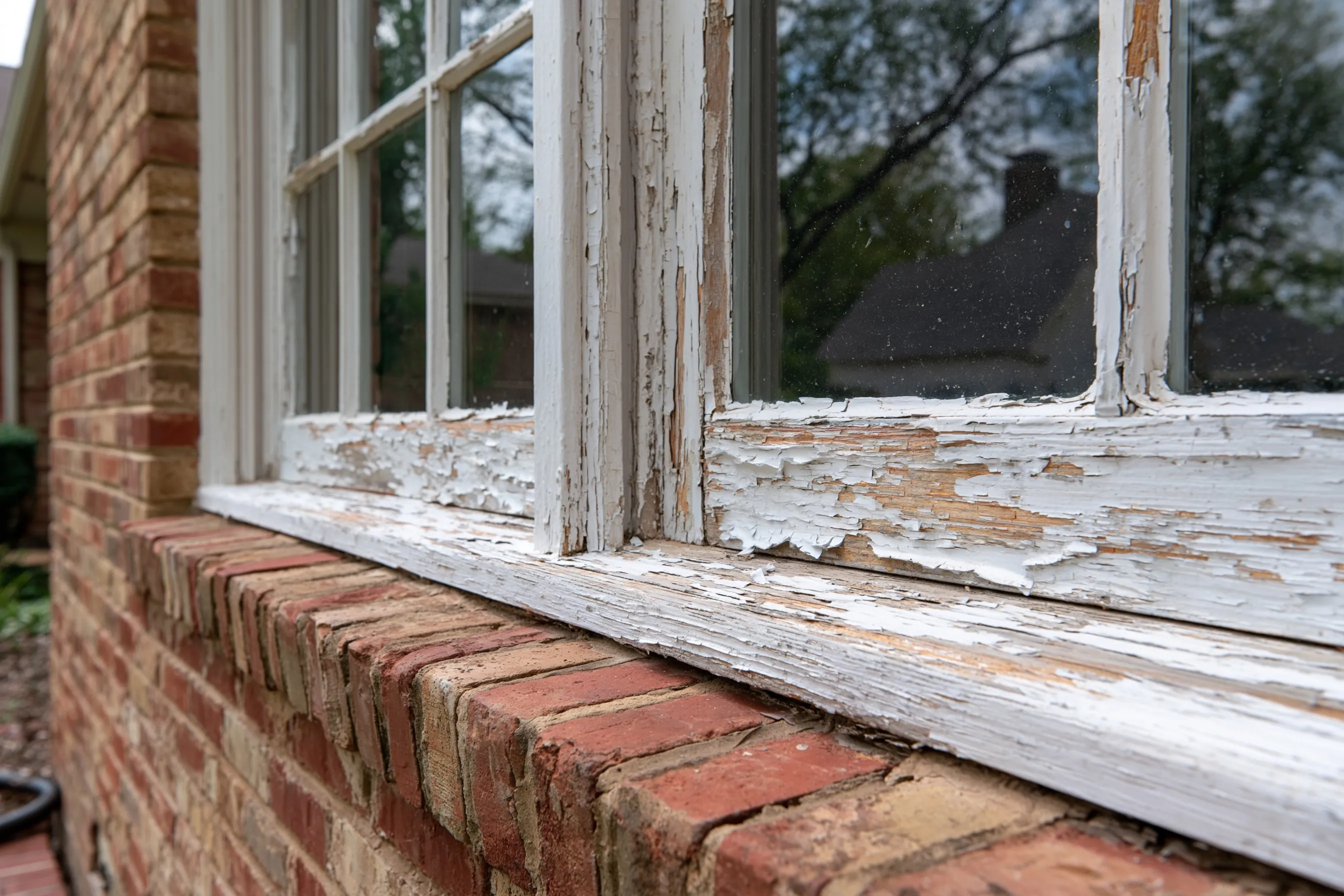
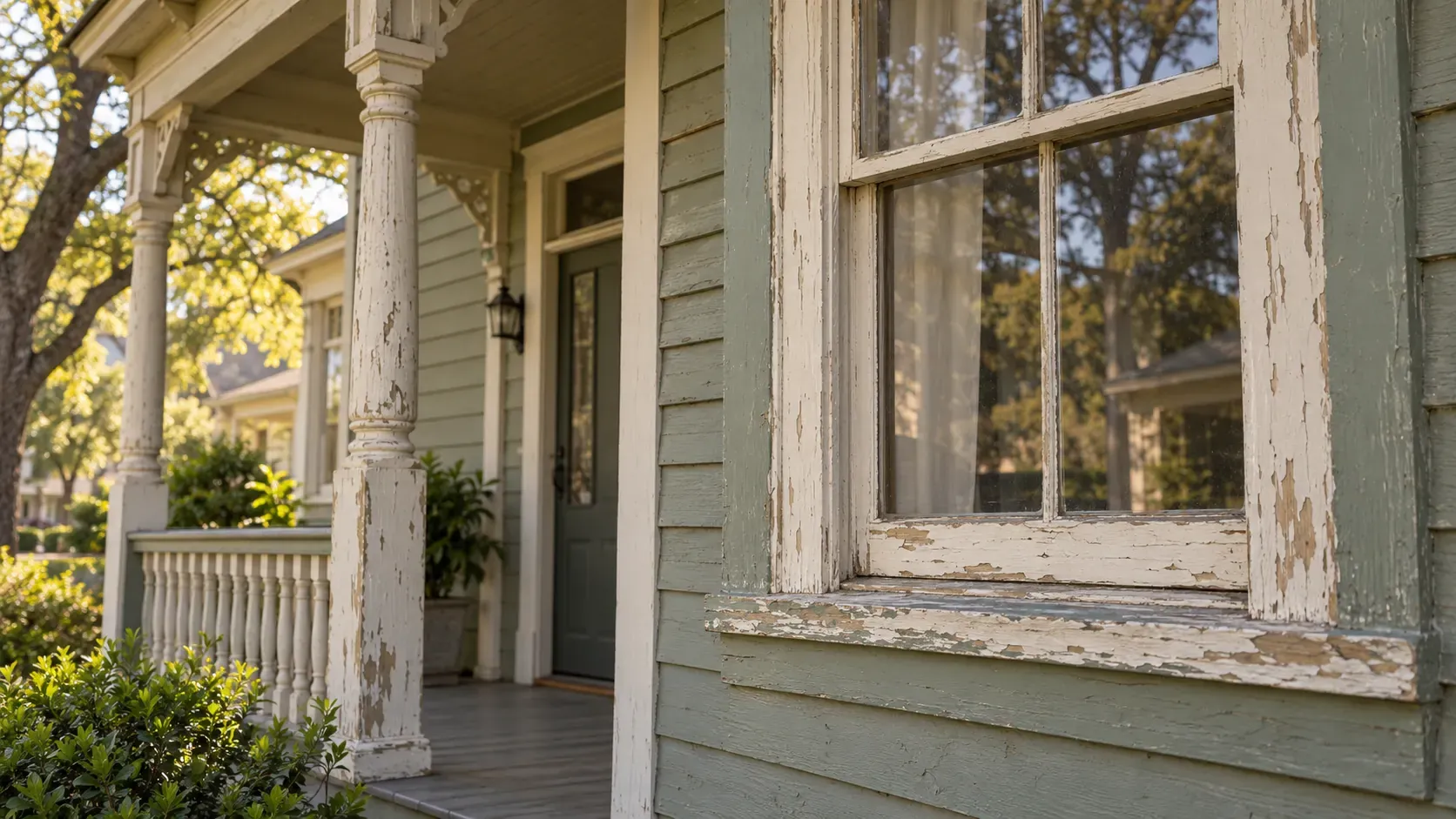
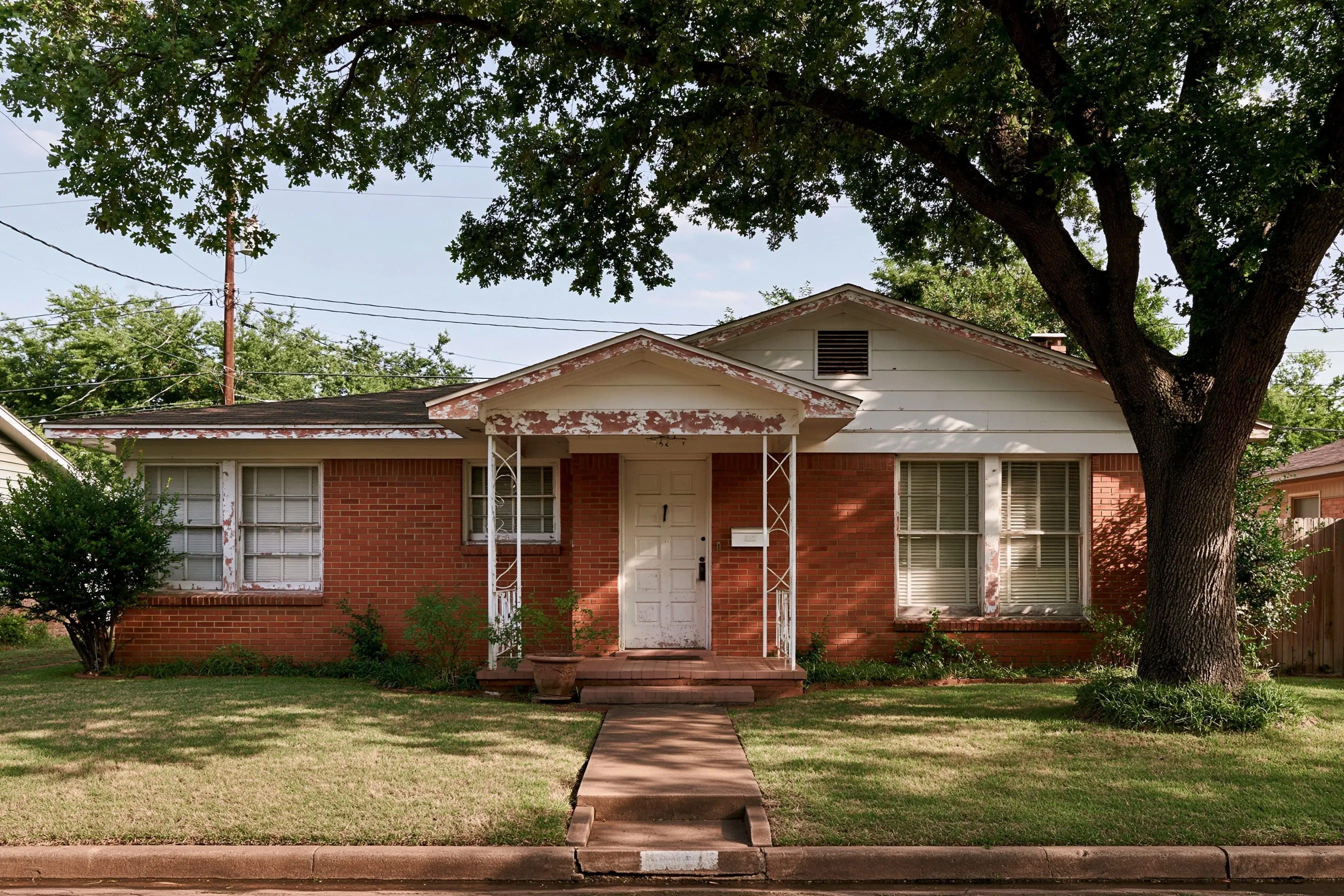
Original painted wood double-hung windows with chipped paint on a brick North Texas houseOlder frame house porch with turned columns and a window sash and sill shedding layers of paint

Lead-safe window and door replacement

Swapping a window in a pre-1978 house never counts as a minor repair under EPA rules, no matter its size. Pulling a painted frame cracks paint on both faces of the wall, so containment goes up indoors and out, and sills, stools and floors are cleaned and checked before new trim goes on.

Lead paint removal for heritage homes

Plano has very few houses older than 1960, about 1,700 by the latest census estimate, and some stand in the Haggard Park Heritage District, which the city describes as primarily residential. On houses like these, owners may want the lead paint taken off original siding, porches and woodwork for good. That is abatement, done by a DSHS-certified firm that notifies the state before work starts.

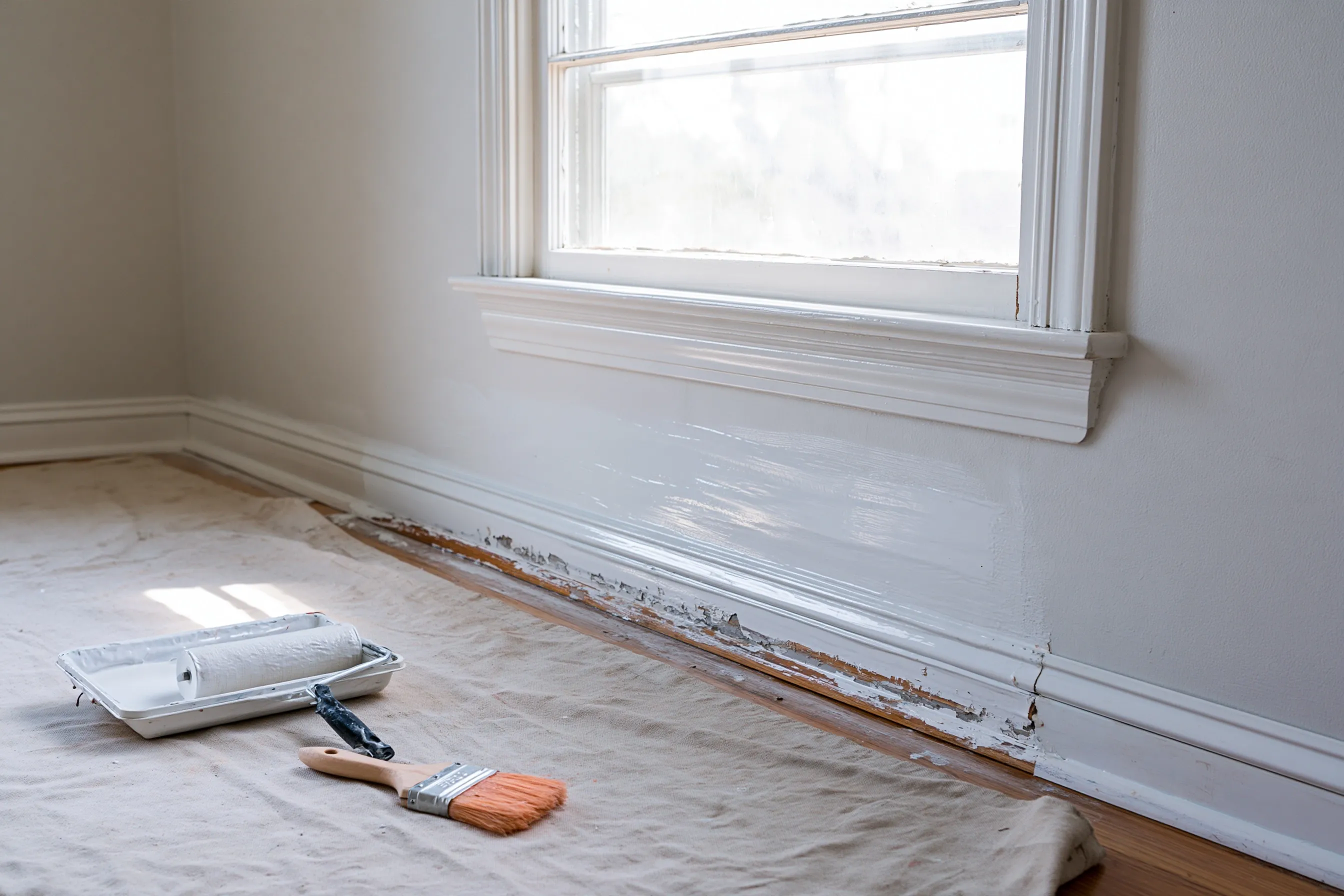
Painted wood baseboard being coated with thick encapsulant paint, roller and tray on a drop cloth

Lead paint encapsulation

Rooms a remodel leaves alone do not need their old paint stripped. Where lead paint is firm, intact and away from rubbing parts, an encapsulant coating can seal it in place. It is a lower-disturbance choice for walls, ceilings and trim, as long as someone checks the coated surfaces over the years and the records stay with the house.

Lead paint testing and removal costs

Most Plano homes were built after 1978 and are outside the lead paint rules, so for an older house the first step is usually a test. Each line is hired labor plus materials and any lab fees for a typical job in Plano, Richardson or Garland. A small, easy job sits near the low end. The open top end is for more painted parts, detailed old woodwork, rotten wood or a failed dust test that means cleaning again.

Lead paint testing before remodeling

  • Only the rooms or parts your remodel will touch$225 – $500+
  • Whole house up to 2,500 sq ft$300 – $700+
  • Large house over 2,500 sq ft$450 – $900+
  • Clearance test after lead work$175 – $500+
What is included

Readings or paint chips from the parts a remodel will cut, sand or pull out, or from the whole house, and a written report of what tests positive and what does not. Rush reports and extra lab samples cost more.

Get a free quoteSee an example projectAbout this service

Remodeling with lead paint (add-on)

  • Small repair, one room$400 – $900+
  • Kitchen or bathroom remodel$1,200 – $3,200+
  • Several rooms or a whole floor$3,000 – $7,700+
What is included

The extra cost of keeping lead dust in check during a remodel of a house built before 1978: plastic to seal the rooms, misting before old paint is cut or scraped, HEPA vacuuming, daily and final cleaning, a cleaning check and bagged disposal. The remodel itself is priced on its own.

Get a free quoteSee an example projectAbout this service

Lead-safe window and door replacement

  • One window replaced$350 – $1,100+
  • About 4 windows$1,400 – $4,400+
  • About 10 windows$3,500 – $11,000+
  • One exterior door and frame replaced$500 – $1,500+
What is included

Old windows or doors taken out with plastic inside and out, new units fitted, the disturbed trim repaired, then cleanup and a wet-cloth check of the sills and floors. Custom sizes and special glass cost more.

Get a free quoteSee an example projectAbout this service

Lead paint removal for heritage homes

  • Small area, about 100 sq ft (stair rail, trim in one room)$750 – $1,700+
  • One room$1,400 – $4,000+
  • One-story house, peeling trim, eaves and siding$4,500 – $12,000+
  • Whole interior, typical house$6,500 – $15,000+
What is included

Original woodwork, windows or siding stripped or replaced under containment, HEPA cleanup, disposal and a clearance test. The state is told before work starts and the household stays elsewhere. Repairs to old wood and repainting are usually extra.

Get a free quoteSee an example projectAbout this service

Lead paint encapsulation

  • One room's trim, doors and walls sealed, about 300 sq ft$1,100 – $3,000+
  • Several rooms, about 1,000 sq ft sealed$3,600 – $10,000+
  • One room's walls covered with new drywall, about 350 sq ft$2,500 – $5,600+
What is included

Loose edges misted and scraped, then a coating made to seal lead paint over trim and walls that are still sound, or new drywall over the walls. The lead paint stays under it, so you get a record of what was covered.

Get a free quoteSee an example projectAbout this service

Ranges are 2026 estimates, not quotes. Your written estimate is free and comes after we have seen the home.

Our process

01

Find out when it was built

Look up the year the house was finished in the appraisal district record or on the original permit. Federal lead rules stop at 1978, when lead paint was taken off the residential market. A 1976 house is covered and a 1979 house is not, though census tables lump both into one decade.

02

Test the surfaces in your plans

For a pre-1978 house, list what the remodel will touch and test those components first. A certified inspector can check every painted surface in the home, or the testing can stay focused on the rooms being changed.

03

Remodel lead-safe or remove

If lead turns up, there are two separate paths. A remodel goes ahead under EPA lead-safe practices without trying to take the lead away. Abatement, under DSHS rules, is meant to remove or permanently seal the lead itself.

04

Verify the cleanup

On a remodel, the certified renovator wipes floors, sills and counters in the contained area and compares the cloths to an EPA verification card after the cleanup. After abatement, a certified inspector or risk assessor runs a clearance examination before anyone moves back. File both records with the deed papers.

Plano homes built in the 1970s

Plano was a small town for most of its history: 3,695 residents at the 1960 census and 17,872 in 1970. By 1980 it had 72,331. The housing record follows that curve. Of about 117,700 homes in the 2020-2024 American Community Survey, roughly 16,250 were built in the 1970s, about 3,700 in the 1960s and only about 1,700 before 1960. About four homes in five date from 1980 or later and sit outside the lead rules entirely.

That puts the city's lead question mostly in the 1970s subdivisions, and right on the cutoff. The census does not separate 1977 from 1979, so two neighboring houses on the same street can fall on opposite sides of 1978. These homes are now old enough for second and third rounds of updates, and Plano Tomorrow, the city's comprehensive plan, lists a survey to evaluate structures built between 1945 and 1975 among its heritage preservation actions.

Haggard Park and downtown Plano

Plano's locally designated districts include Haggard Park, designated in 1999, and Downtown, designated in 2002. The city describes Haggard Park as primarily residential, with historic houses from the late 1800s to the early 1960s, and says Downtown's earliest buildings went up after fires destroyed most of the old center in the late 1890s. The ACS counts fewer than 300 Plano homes built before 1940.

Under Plano's Heritage Preservation Ordinance, material changes to doors, windows, woodwork and other exterior features visible from the street need a Certificate of Appropriateness, and it has to be approved before a building permit is issued. Maintenance and minor in-kind repairs, such as touch-up painting or replacing a windowpane, are not blocked by the ordinance. Whether a given exterior job is maintenance, minor in-kind repair or a material change is for the city to decide; ask the Heritage Preservation Officer before work starts.

Plano and nearby cities

Plano Lead Paint Removal is based on work in Plano, and we also hear from owners in the cities around it. Richardson and Garland have their own pages because their housing is older: the ACS puts 43.9% of Richardson homes and 54.8% of Garland homes before 1980, against 18.4% in Plano. If your house is in Allen, Murphy, Addison or another nearby town, include the address in your request and we will confirm whether it is within reach.

Frequently asked questions

Was lead paint used in homes built in 1977?

Possibly. The federal ban on lead paint for homes took effect in 1978, which means a house completed in 1977 may have it on original trim, doors, cabinets or walls, and federal rules treat it as possibly present until testing shows otherwise. A test of the specific surfaces gives the real answer; the build year only tells you whether the rules apply.

Is it bad to breathe in lead paint dust?

Lead dust is a health hazard, and young children and pregnant people are the most vulnerable. That is why lead-safe work focuses on not making dust in the first place: plastic containment, no open-flame burning, HEPA-equipped power tools and HEPA vacuuming during cleanup. If you think someone has been exposed, talk to a doctor about a blood lead test; we can help with testing the house and planning the work.

Can I remodel a house with lead paint myself?

Federal certification rules cover people paid to disturb paint, so a homeowner working on their own owner-occupied house is not required to be RRP-certified. The dust is just as harmful when you make it yourself, though. Test first, keep children and pregnant family members away from the work area, and hire a certified firm for anything large such as window replacement or demolition. We do not give step-by-step removal instructions.

Does a remodeling contractor need lead certification in Texas?

Yes, for paid work that disturbs paint in a pre-1978 home. The EPA administers its renovation rule directly in Texas, so the contractor should show an EPA firm certificate and name the certified renovator who will run the work. Inspectors, risk assessors and abatement firms are a separate group licensed by DSHS, which publishes a Find a Licensee lookup for checking them.

Request a free lead paint removal quote

Start with where the house is and about when it was finished. A sentence on the planned remodel helps us most: which rooms, which painted parts, and whether tenants or children under six live there. Mention any earlier lead report. We'll get back to you soon with an estimate or any questions we have. Estimates are free and there's no obligation.

Call (469) 429-0699

Call (469) 429-0699